

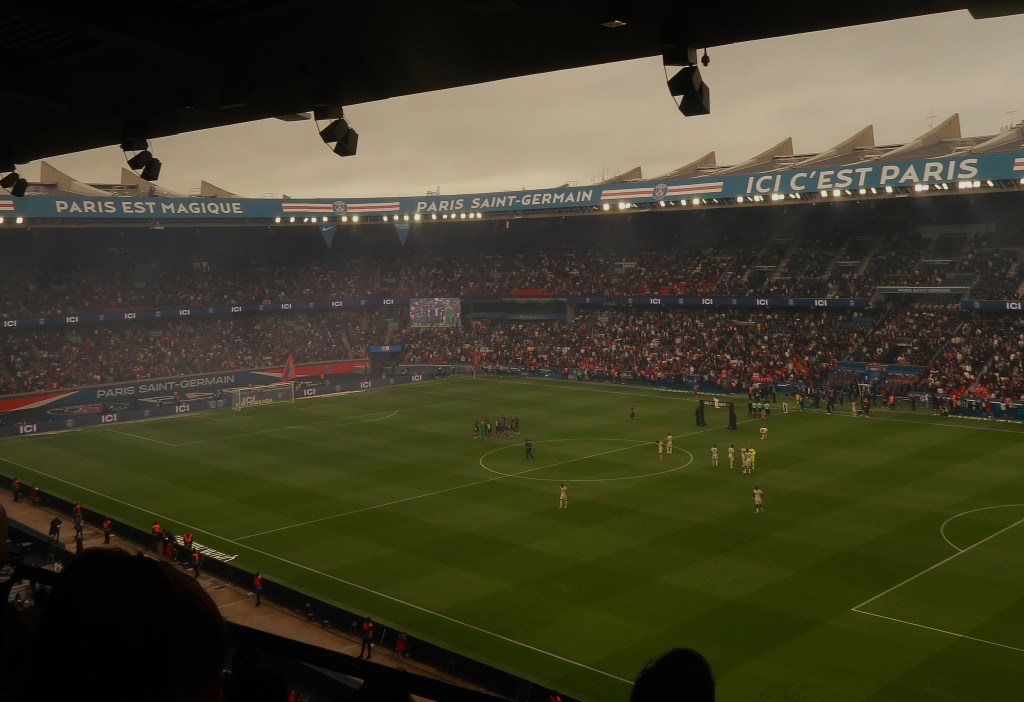
Written and Photographed by Alina Kazmi
Supporting a club can become one’s identity; they lose, you share the defeat, they win, you celebrate, but what happens when this sort of affiliation is built on the basis of memberships or ticket allocation systems? Ticket distribution processes like memberships entice fans to pay to join a membership program with “perks” such as early access to tickets and merch drops. The prices for these memberships range differently depending on where the club is located and also the popularity of the club. Premier League teams like Arsenal charge £36 and Liverpool currently charge £42.99 for premium membership access per season. These prices can also change depending on club revenue and if the club wins a competition, domestically or internationally. Ticket allocation systems work to distribute tickets between membership holders and the general public. This can include a lottery-like set-up or a point-like system. This ultimately leaves a limited amount of tickets the general public can purchase, despite it being marketed as a bridge between the fans and the club.
The modern ticketing system can fail diehard fans who ultimately wish to share the experience of winning or losing with their team live. The subject of accessibility is brought up when fees are attached to such memberships, which determine if one can go and see their team play. This sort of subconscious demand from clubs to fans which lures them into spending extra money for such “perks” one would argue should be free. In this scarce economic state, where people are just getting by paying for rent or groceries, it is unlikely that membership fees are at the top of the average fan’s shopping list.
Jack Hull, an avid Manchester United fan, said:“ Its annoying when you want to supports your team, but you don’t have the extra funds for membership then tickets and then, on top of that, transportation and accommodation just to watch them play. It’s isolating”.
Additionally, these sort of systems excludes the casual football watcher, as to acquire some tickets to games it requires you to follow an annoying procedure of requiring a membership which you might get tickets with. The days of casual stadium experiences with curious spectators who are interested in the beautiful game are replaced with an online ticket battle, accompanied by resellers looking to make a cheeky profit.
Katie Bowie, Rangers fan, said: “My family was coming down to Scotland and were interested in watching a Rangers game but it’s impossible to get tickets nowadays, especially for league games”.
Not only do these systems hinder football fans from seeing their teams live, but they also hinder curious individuals from further engaging with the sport due to all these accessibility barriers. This sort of luxury of buying a membership is sort of normalised in football culture. However, there was a time when these things weren’t seen as “perks” and as a test of loyalty from clubs to fans. With the sport growing immensely year by year, instead of promoting and welcoming all audiences, these sorts of systems hinder any process of inclusivity and integration of classes. This ultimately further estranges the sport from its eternal roots of being a working-class sport.
The act of paying for a membership to then have a chance to purchase tickets is flawed as a structure. This ultimately entertains the subject of affordability and accessibility. In a world where the average salary is barely covering expenses such as rent, groceries and utilities, membership fees and ticket prices are not a priority but an opulence. These systems are marketed to further reward fan “loyalty” and help control ticket demands, but subconsciously cater to wealthier fans.
Ali Khan, Liverpool fan, said: “Football clubs make it hard to support your team with membership prices and limited tickets so you need to pay more money for resale, which is extortionate. It’s made for the wealthy now”.
These systems, instead of mending the gap between fans and clubs, tend to create an even bigger gap which defeats the very purpose of these ticketing systems. Memberships and ticket allocation systems further reinforce the idea of wealth equaling loyalty in terms of viewing live football. This external shift within football culture in regards to acquiring tickets ultimately favours a profit-based structure which greatly benefits the clubs who implement them and further freezes out many fans due to financial terms such as the lack of disposable income and the accessibility and affordability of tickets.
The disconnect between the club and fans affects areas such as the community and the overall culture of football. The sport with rich working-class roots is gravely diminishing the culture of the community with financial barriers such as acquiring tickets and all-around accessibility. Further issues such as the overall commercialisation of the game have gravely affected the community aspect of football, with clubs caring more about underlying profits and their overall global value.
Jack Hull said: “The further the clubs and football in general go into this money-making way, the more we lose what makes football the sport many people love and know. It becomes something we don’t recognise.”
Once clubs stray away from the core values of football, such as the community-driven culture and accessibility, it loses touch of its roots, which, in all honesty, is the working-class identity. Without this core identity, many feel left behind or alienated by their clubs and, in general, the overall football culture.
Within this current social climate, the culture of football, a game made by the working-class indefinitely, leans more towards an overall elitist culture favouring those who can pay more and therefore can be “utilised” more. However, no matter how far football strays away from its roots, passion cannot be replaced by profit in any realm.
Categories: Football, Football Fans, Scottish Football, Sports Journalism, Uncategorized


