

By Sean Duthart
Few players in modern football have experienced such a dramatic shift in public perception as Neymar.
Once hailed as Brazil’s next generational icon, he arrived in European football with extraordinary expectation. At Barcelona, he formed part of one of the most feared attacking trios in the game’s history, combining flair with ruthless end product. When he moved to Paris Saint-Germain for a world-record fee at the time, the transfer was framed as a declaration of independence, a chance to step out of Lionel Messi’s shadow and establish himself as the central figure of a global project.
But with the price tag came a different level of scrutiny.
Every injury became a storyline. Every Champions League exit became personal. Every World Cup defeat was framed not simply as Brazil’s failure, but as Neymar’s. over time, the coverage shifted from awe to interrogation.
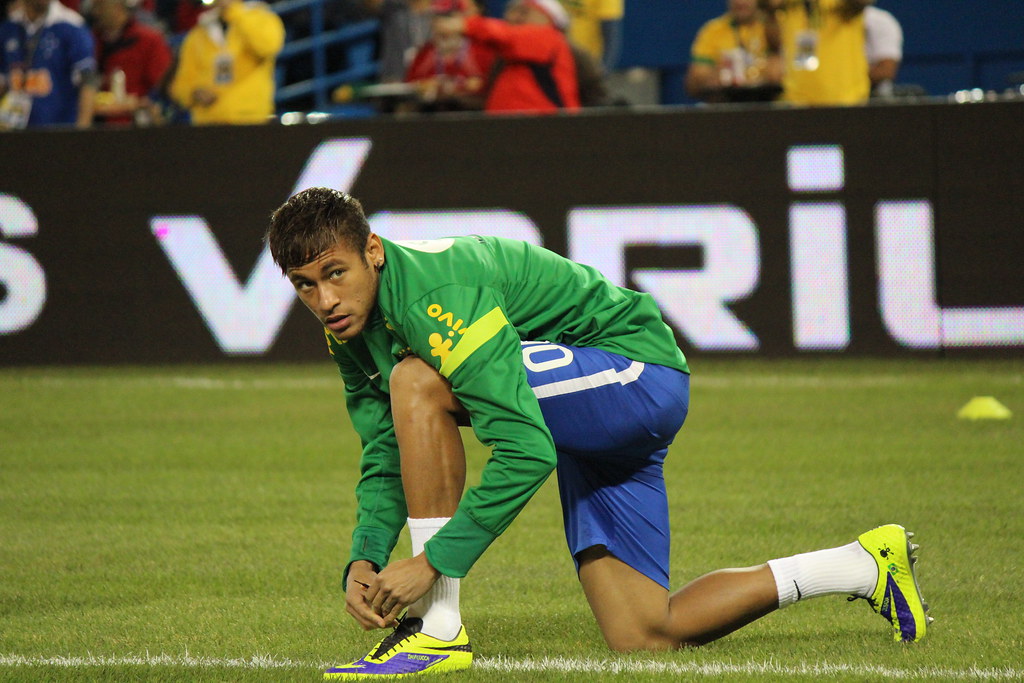
The criticism has often been pointed. Accusations of theatricality, questions about professionalism, debates over his lifestyle. These themes tend to resurface most strongly after setbacks. Following tournament eliminations, particularly at world cups, narratives quickly centre on his reaction, his tears, or perceived lack of leadership. The team’s structural weaknesses or tactical shortcomings are frequently secondary.
Yet the numbers complicate the tone. Neymar’s goal and assist record at club and international level remains elite. He became Brazil’s all-time leading scorer, surpassing historic names, and consistently ranks among the most productive attacking players of his era when fit. The problem has rarely been ability. It has been availability and expectation.
There is also the weight of symbolism. In Brazil, the No.10 shirt carries history. It evokes Pelé, Zico, Ronaldinho, artistry tied to national identity. Neymar inherited that symbolism in the age of social media, where every gesture is replayed and reframed. The modern footballer operates in an ecosystem of instant judgement. A missed chanced is not just analysed, it is memed, shared and weaponised.
The line between analysis and character judgement can blur quickly. Flair that once represented creativity becomes framed as indulgence. Emotional expression becomes immaturity. Risk-taking becomes selfishness. Public opinion often swings in extremes: genius or disappointment, hero or liability.
That does not mean criticism is unwarranted. Neymar has had defining moments to seize and has not always delivered on them. Injuries at crucial stages have limited his ability to dominate tournaments in the way some predicted. The world-record transfer inevitably recalibrated expectations to unrealistic levels.
But the framing matters. When collective failure is repeatedly personalised, the narrative can harden. It becomes less about performance in a given match and more about a constructed identity. The idea of Neymar as an emblem of wasted potential.
Perhaps the most revealing aspect of his career is how polarising it remains. Even in decline or transition, he commands attention. That suggests something more complex than simple underachievement. He is not merely a footballer, he is a symbol of modern celebrity sport, brilliance intertwined with commercial pressure and relentless scrutiny.
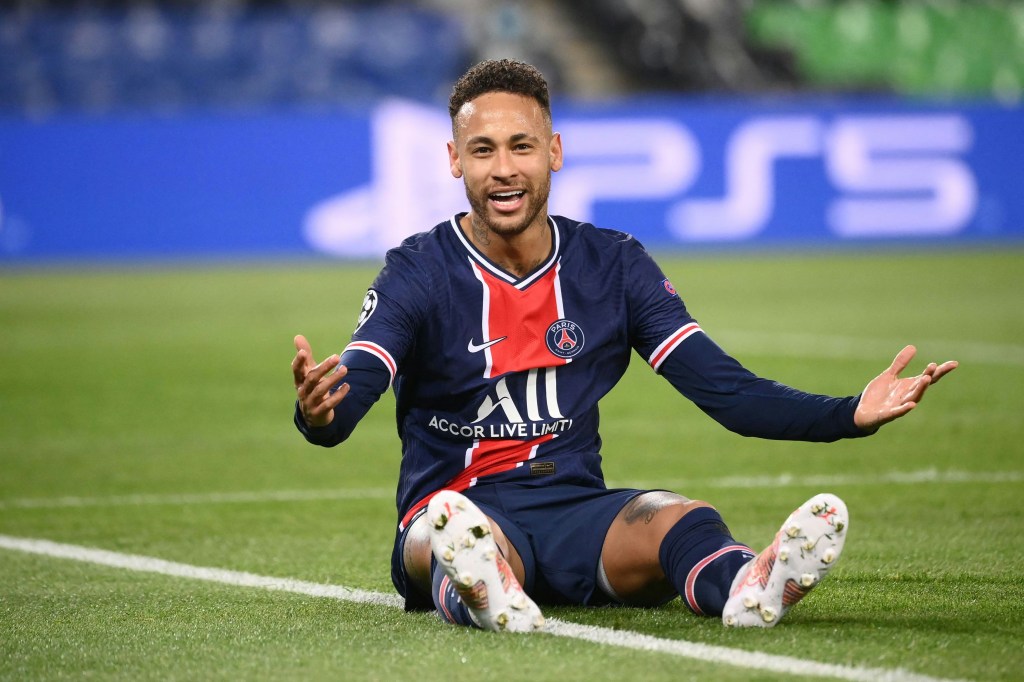
Whether history ultimately judges him as unfulfilled or extraordinary may depend as much on narrative as on medals. What is clear is that the conversation around Neymar says much about modern sports media as it does about the player himself.
In the end, Neymar’s career may be remembered less for what he lacked and more for what he promised. The talent placed him in line for the throne, but football crowns only those who seize their defining moments. And so, the prince never quite became king.


 UWS Newsroom