

By Samuel Ukah
Dairy farming plays a vital role in supplying the global market with milk, cheese, yoghurt, and other dairy products that are used in abundance on a daily basis. In 2022, around 5.1 billion litres of liquid milk was sold in the UK with the average household spending approximately £1.90 on milk per week.
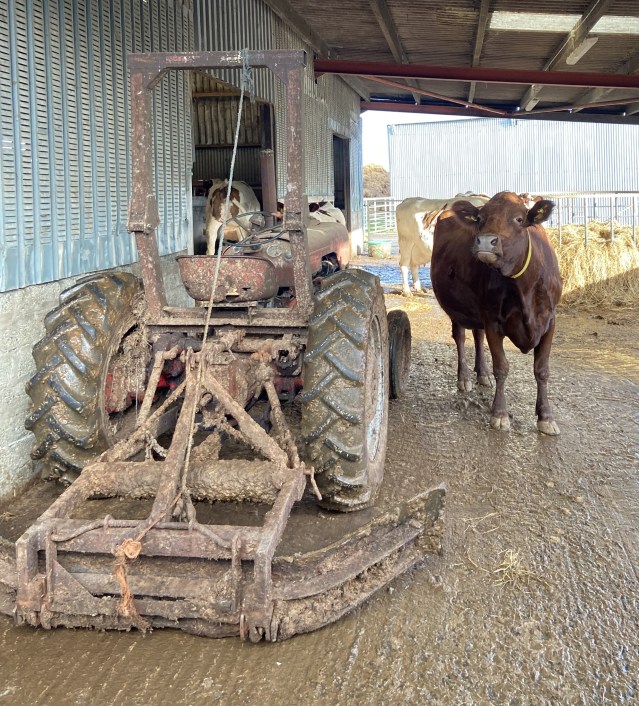
With a production output of 15 million metric tonnes in 2023, the United Kingdom is also one of the world’s largest producers of cow milk worldwide, this has also coincided with an increase in the number of active dairy cows from 2020 up until now. The increase in the amount cows also comes with increased risk of disease within the cattle. Dairy farmers are now left with a choice on whether to in-house raise all of their cattle to prevent the risk of spreading a potential disease, or to continue to buy and sell their livestock.
According to the Department of Agriculture, Environment and Rural Affairs, diseases that affect cattle include Bluetongue, Botulism, Bovine Tuberculosis, Bovine Viral Diarrhoea, Brucellosis, Epizootic haemorrhagic disease and more.
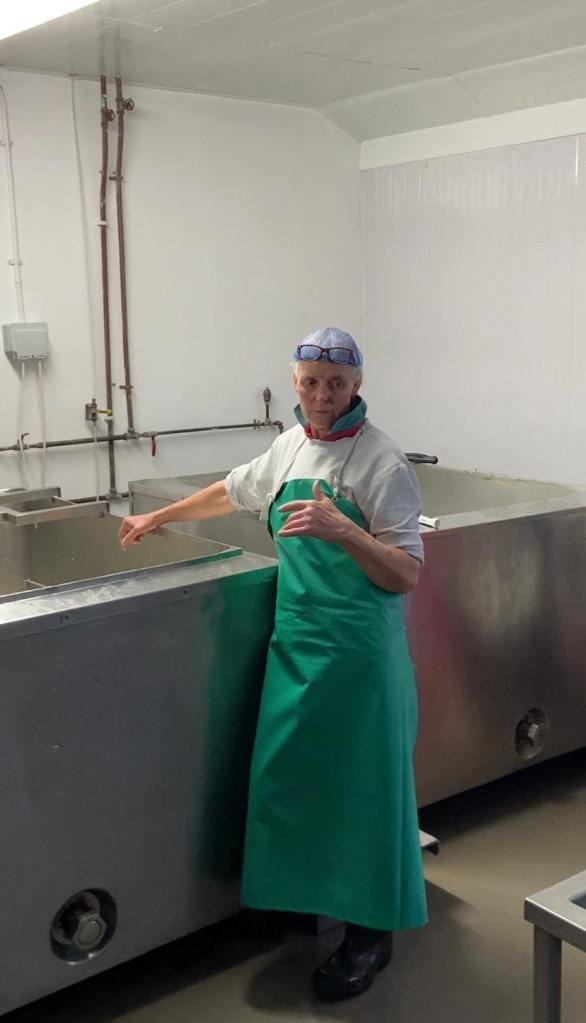
Ann Doward of Dunlop Dairy told us about the potential risks importing cattle may have on a dairy farm. “TB (Bovine Tuberculosis is a prime one, if you buy an animal from somewhere you don’t know, you’re increasing the risk of bringing the disease up here”.
Dunlop Dairy choose to not outsource any of their animals in order to prevent any potential incomings on unknown diseases unto the animals. For those that prefer to seek out dairy animals there are certain procedures in place to help prevent illness amongst the cattle. This includes providing records of the animals ear tags, passport, date of birth, pedigree certificate, milk records, breeding records, health status, history, and farm-assured status.

Dairy Farmers who choose to outsource their cattle must keep their animals in quarantine away from the settled cattle for a minimum of 30 days.
With the production of dairy in high demand, it is vital to keep the animals at use healthy and safe. Dairy farmers have a huge responsibility in preventing the spread of disease amongst their cattle. For more advice on animal welfare please visit https://www.gov.uk/guidance/animal-welfare
Categories: Ayr, Farm, health, Uncategorized, UWS


 UWS Newsroom