

By Daniel Cecura
Scotland, with its rolling hills and sweeping landscapes, is not only known for its stunning natural beauty, but also for a thriving agricultural industry that is increasingly focused on localism and sustainability. The country’s cheese farms not only produce cheese, but also cultivate a deep connection with the environment. We can see this well in the example of Dunlop Farm.
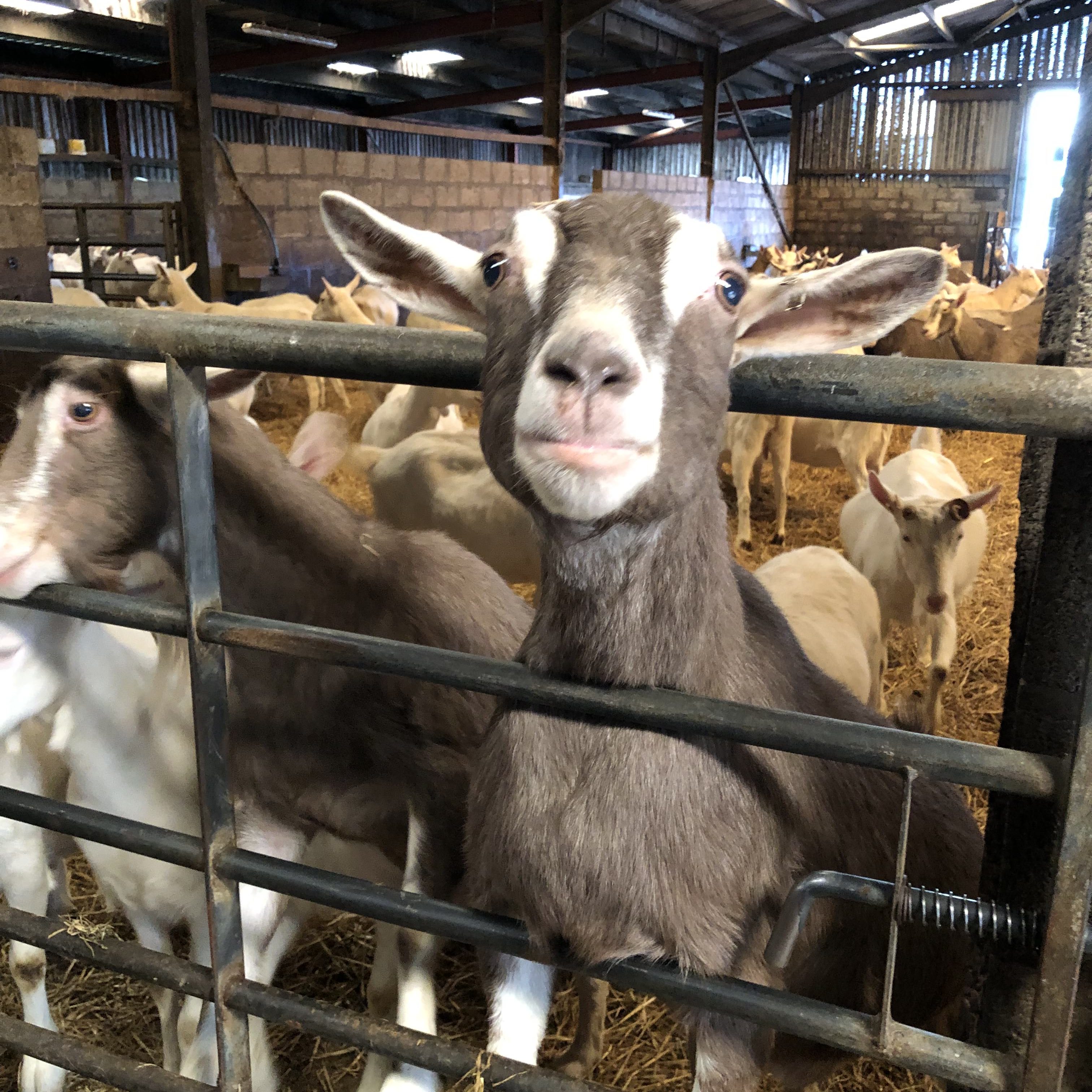
Dunlop Farm is a local cheese farm in the Ayrshire region. Many different types of cheese are produced here every day by hand, locally and sustainably. The farm offers the opportunity to watch the cheese being made and also has a tea shop where the cheese can be purchased and delicious meals can be eaten. The use of local ingredients and traditional production methods is a central aspect of Scottish cheese production. Farms like the Dunlop Farm rely on the diversity of regional resources, be it the lush grassland, which is rich in nutrients, or the clear water from the nearby streams.
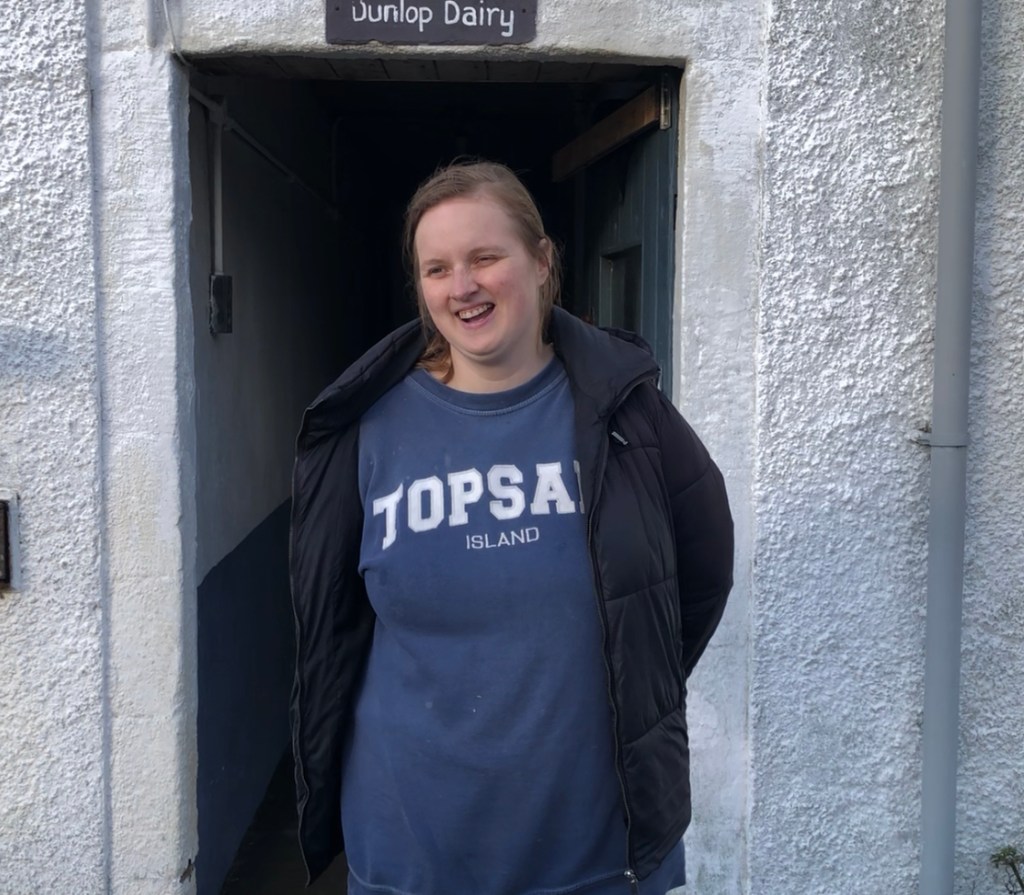
“Producing quality cheese is a long process. Our cheese cannot be compared with the cheese in the supermarket.”
Dunlop Farm employee Julia
Farm owner Ann Dorward makes it clear that the farm is on the right way and is very sustainable in terms of transport, packaging and location. Nevertheless, she also addresses problems.
“To become even more sustainable, we need to focus on renewable energies. But I don’t have the money for that.”
Farm owner Ann Dorward

East Ayrshire Councillor Ellen Freel confirms the money problems that sustainability brings. For the Ayrshire region, she can see that the younger generation in particular is living more and more sustainably and that this is having an impact on regional agriculture.
“Sustainability is becoming even more important. But this in particular makes farming increasingly expensive.”
East Ayrshire Councillor Ellen Freel
A recent report, “Farm for Scotland’s Future: the case for change” highlights that the current funding model for farms is worsening climate change and endangering food security. The report, supported by 40 environmental organizations, outlines the impact of agriculture on Scotland’s climate and biodiversity, emphasizing the risks to food producers from a changing climate. Agriculture, the report notes, is the third-largest source of greenhouse gas emissions in Scotland, contributing to 18% of emissions in 2020. The report calls for a radical shift in the upcoming Agriculture Bill, advocating for a transition to sustainable farming practices that support nature, climate, and food production. It underscores the need for reform in the current direct payments system, which it deems unfair and inefficient, with the top 20% of claimants receiving 62% of the budget. The report encourages a new funding system that incentivizes farming methods prioritizing climate, nature, and a just transition.
“The vital work of farmers and crofters is integral to building a nature-rich future for Scotland.
NatureScot Chief Executive Francesca Osowska
As well as tackling climate change, by moving to a more environmentally sustainable approach, farmers and crofters can help the long-term economic sustainability and resilience of their businesses.”

The Scottish Government has the issue on its agenda and is actively involved. Cooperation with Agricultural market leader “Ceftera” could be a groundbreaking initiative for Scotland’s agriculture.
The insights at Dunlop Farm show that sustainability and localism are important pillars of Scotland’s future agriculture, but that the government must also show support for development.
Categories: animal wealth, Ayrshire, East Ayrshire, Farming, News and Politics, Scotland, Scottish Government, sustainability, UWS


 UWS Newsroom