

Lauren Petrie
Since 2020, there have been two steps back and one step ahead in the hospitality industry. From managing a never-ending back-and-forth of limitations and regulations to coping with the worst cost of living crisis in decades. Energy costs are rising, it’s getting harder to find ingredients, and many restaurants, bars, and cafes—even those that have ridden out the storm for years—are being forced to close.

Daniel Slattery is the general manager of Kitty o’Sheas, a pub in Glasgow’s West End. The pub, which opened in 2020, was only open for a short time before it had to close again due to the pandemic, but since reopening due to the cost of living crisis, a lot has changed. “The average spend per head per guest has reduced significantly. Younger people tend to drink prior coming into the pub as well as leaving early. We’re lucky if we get two or three people coming up to the bar when it’s last orders” he says.

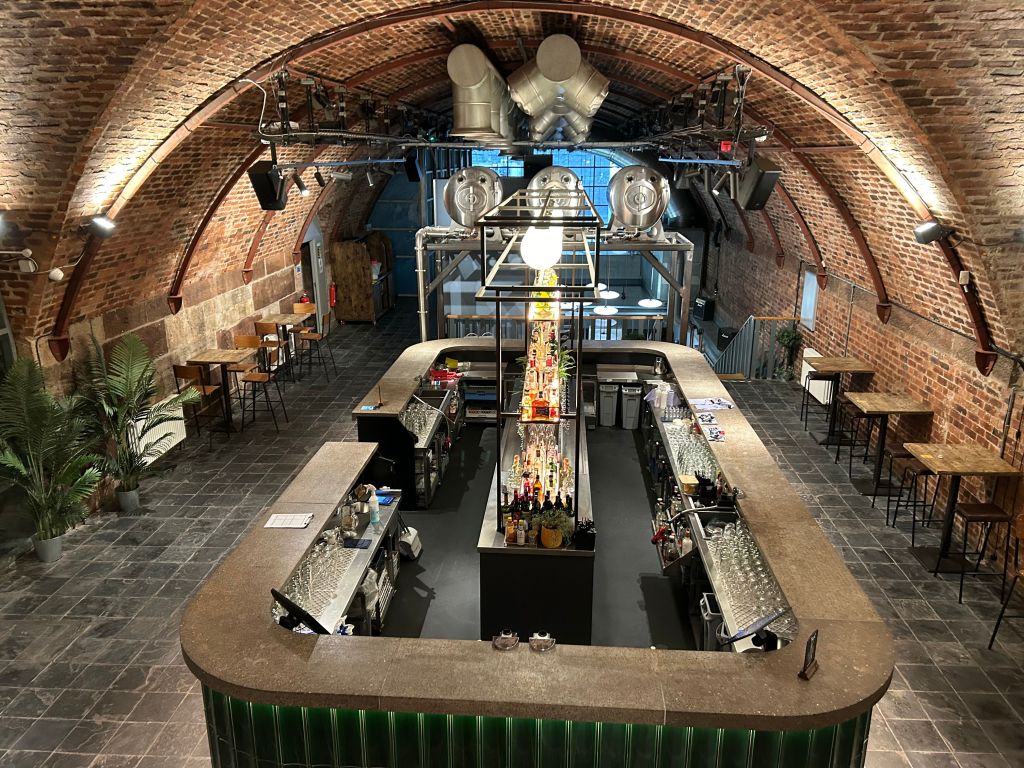
The number of jobs in the hospitality industry has decreased by 50,000 since March 2020. The number of jobs in the hospitality industry has not entirely returned. General Manager at Platform, a venue for events in Glasgow’s city centre, David Carson, said this, “The impact of the pandemic was massive, coming out of covid was very difficult. A lot of people chose to do driving jobs during the pandemic, so when we opened after the pandemic, recruitment was very difficult.”
On Thursday, June 22, 2023, the Scottish tourist Alliance—the group that represents the whole tourist and hospitality sector in Scotland—released the results of its most recent quarterly industry study. Over a quarter of the businesses that participated in the survey are making a “good steady recovery,” according to one of the survey’s headlines, so there are some promising signs of improvement despite the last few years of uncertainly the hospitality industry has suffered.
Categories: COVID-19, Hospitality, Politics, Scotland


 UWS Newsroom