


War in Gaza two years on, what’s changed?
By Ashley Murphy
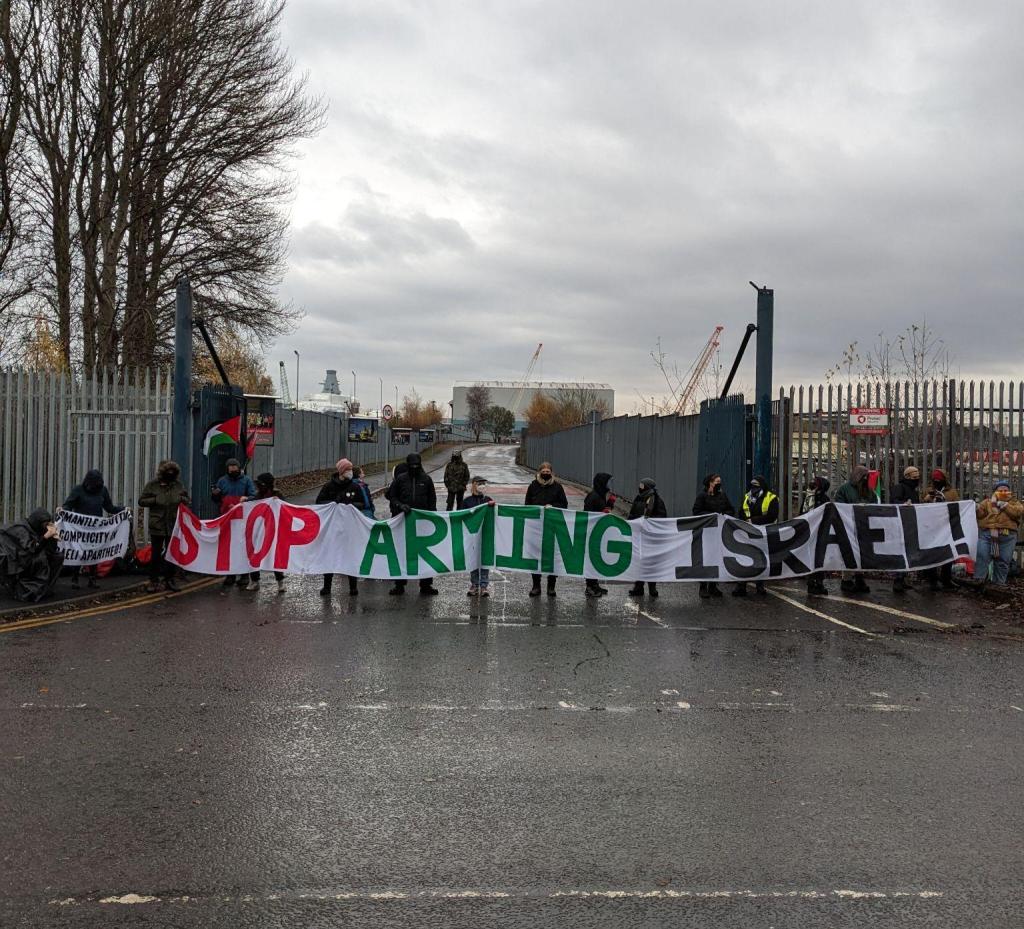
Credit: Hassan Ghani
It has only been revealed recently on the news that there was a controversial boycott from almost every european country for Israel not to be included in next year’s Eurovision Song Contest 2026. This is the backlash Israeli natives are getting because of the war that is still going on in Gaza, two years later. Whether the ongoing motives are religious, political or personal is still unknown. It it similar to the war going on in Ukraine from Russia. Whether one country is being influenced by the other is something that has been discussed recently.
During a podcast in the UWS Newsroom me and Hamzah Yousaf discussed the current state of the war in Gaza and went through a timeline of what happened during the war month by month highlighting the ongoing conflict and whether or not the war that is going on between Russia and Ukraine is maybe impelling the Israeli Prime Minister to continue on with his ongoing deadly motives aimed at innocent families along the Gaza Strip.

The two-year anniversary has just left us, October 7th 2023, a day that has not and will not be forgotten. When Isreal and the city of Gaza, Palestine, became the centre of escalated violence
The UK and in particular Scotland have been feeling the strain to heightened security to protect Jewish communities and now we have seen an attack on a Jewish Synagogue in Manchester resulting in a deadly attack. Bernard Cowan, was a Scottish citizen who was sadly shot outside his home making him one of the October 7th victims.
In an interview with Labour Councillor, Iain McMillan, he was asked as not just a man who works within the Renfrewshire community but as a human who listens and cares abut human stories and interaction to make a change:
What support or actions is the council taking to support religious and more specifically Palestinian communities?
“We are doing the same that the charities are doing, supporting aid efforts, calling for a ceasefire. Also offering advice to any religious person who is being triggered by this current issue and supporting local based initiatives”
What do you think are the most critical needs in Gaza, two years on from the beginning of this war?
“I think the needs of the people in Gaza are the same as they were two years ago, they need safety, water, medical attention, assurance that were here to help”
What do you think about most European countries not wanting Israel to perform in Eurovision next year?
“I can understand the tension between everyone, i can also understand why the people in charge don’t want there to be any more arguments or rifts, trying to keep some sort of peace during an unsettling time in the world”
Last question, do you think when next year comes around that the war in Gaza will have some improvement?
“To be honest. As much as I want to see it improve myself, I want it to stop, I have many doubts, I think this time next year even people over in Gaza will still be struggling and I know we’re doing what we can along with the rest of the world, so to answer that bluntly, No, I think it will still be going on next year”
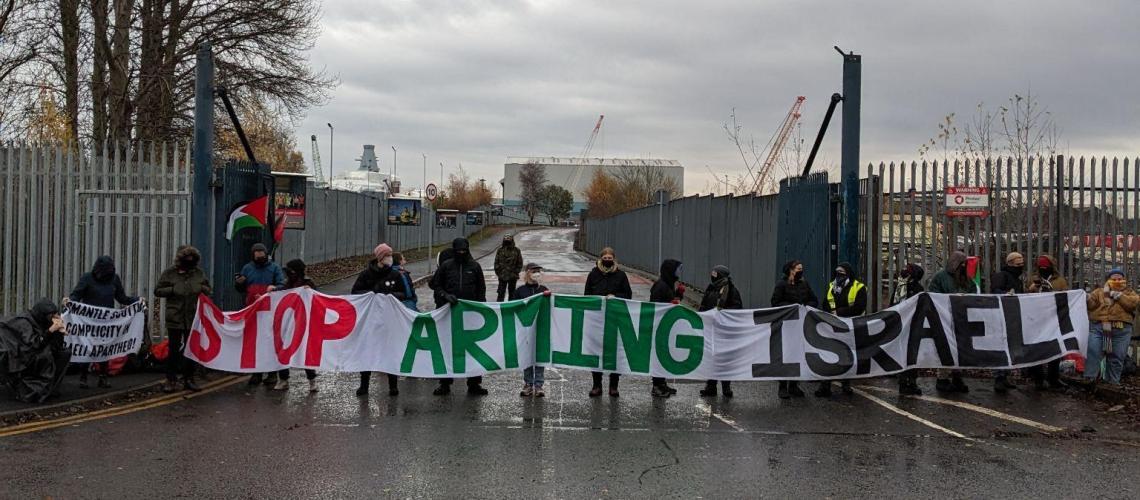
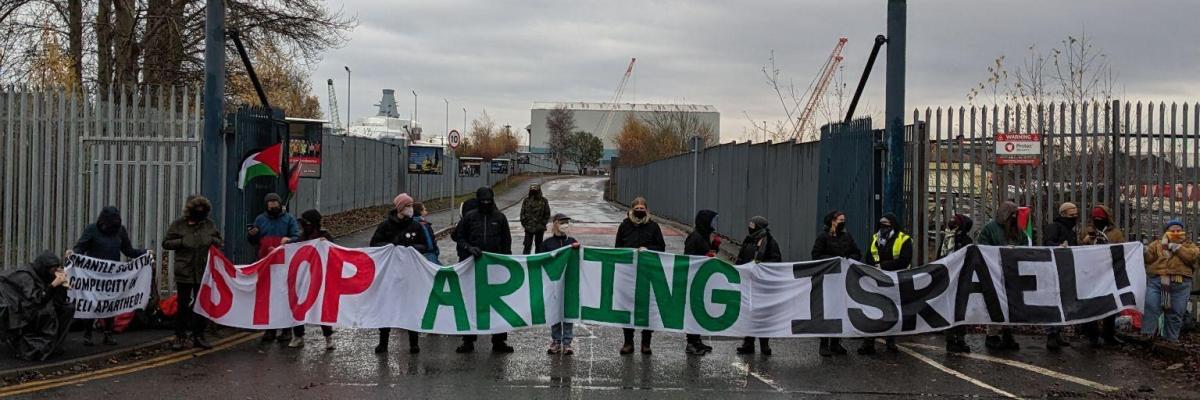
The protests today in Scotland and around Glasgow are not different in comparison to when the war broke out two years ago. There seems to be no budging, no moving and with good reason, despite an agreement being put in place by Israel’s Prime Minister Benjamin Netanyahu this year, in October 2025, it did not last long. The attacks continued and still do now
As of today, the people of Gaza are trying to fix what’s left, undertaking recovery work at the cities heritage sites. Such as the Great Omari Mosque which was targeted by Isreal’s military during the past two years of war, but the actual restoration cannot get underway just yet. Isreal is continuing to prevent supplies entering Gaza through the crossings. Even though the agreement from October, 10th, 2025 by the US has continued to show cracks.

The continuation of harm inflicted on Palestinians in Gaza has been very well monitored by Amnesty International, when they released an analysis last week stating the “ongoing genocide in the Occupied Gaza Strip”. Amnesty has called on Scotlands First Minister John Swinney to ensure that government does not do business with enabling bodies of Israel’s violations of international law.
Amnesty’s acting Scotland Programme Director Liz Thomson said:
“It was vital that parliament is updated on what concrete action has been taken to cut ties with companies supporting Israel’s war crimes, since the First Minister acknowledged the crime of genocide in Gaza”
“Amnesty found that defence companies understood to be manufacturing weapons components at risk of end use in Gaza either locally here in Scotland or via their global chains – escaped thorough human rights due diligence and continued to receive grants via Scottish Enterprise as Israel’s genocide unfolded”
”We need transparency and accountability around policy announcements like the halt on grants for defence companies involved in countries plausibly suspected of genocides”

Whether or not the scenes surrounding Gaza will continue to look the way they do right now or will continue suffering in the hands of another country is undoubtedly unresolved and the chances of Gaza ever finding peace still seems distant already two years after it started.

 UWS Newsroom
Recent Comments