

By Sean Quinn
For a country so closely tied to footballing greatness, missing out on the World Cup should be unthinkable. Yet Italy finds itself on the outside again.
The Azzurri, four-time world champions, are now dealing with the reality of failing to qualify for consecutive tournaments. It’s not just a bad result — it’s part of a bigger decline that’s becoming harder to ignore.
What makes it worse is how recent their success feels. In 2021, Italy won the Euros and looked like a team that had rediscovered its identity. Now, just a few years later, that identity seems to have faded.
After the defeat, Gennaro Gattuso tried to stay positive: “We were left with 10 players, we had three decent chances, and they barely troubled us. I’m proud of the boys.” It’s a fair reaction in the moment, but it doesn’t really address the bigger problems. Academic research has pointed to deeper structural issues with Italian football. With a study by economists Tito Boeri and Battista Severgnini noting that “the Italian Serie A is losing competitiveness” compared to other major European leagues.
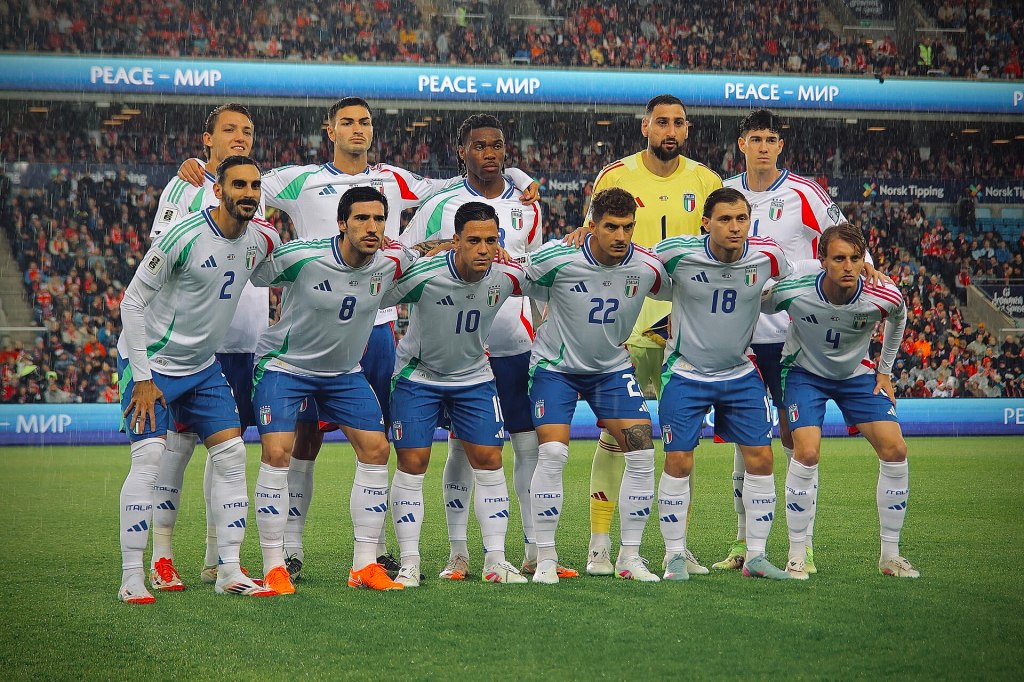
Image credit – Wikimedia Commons
Because this didn’t come out of nowhere.
The warning signs had been there for a while. When Italy was drawn against Northern Ireland and the winner of Wales national football team / Bosnia and Herzegovina national football team, there was a sense that the job was already half done. On paper, it looked straightforward.
But football doesn’t work like that.
Italy started well enough. Moise Kean gave them an early lead after 15 minutes, and for a moment it felt like things were going to plan. But the game slowly turned. A controversial penalty shout disrupted the flow, and Bosnia grew into the match.
Then came the key moment. Alessandro Bastoni was sent off just before half-time, and from there Italy never really recovered. Down to ten men, they lost control and struggled to respond.
What followed was the most worrying part. Italy didn’t just lose — they looked short of ideas. There was no real creativity, no clear plan, and very little urgency. It was a performance that highlighted how far they’ve drifted from what used to define them.
This isn’t just about one match or one manager.
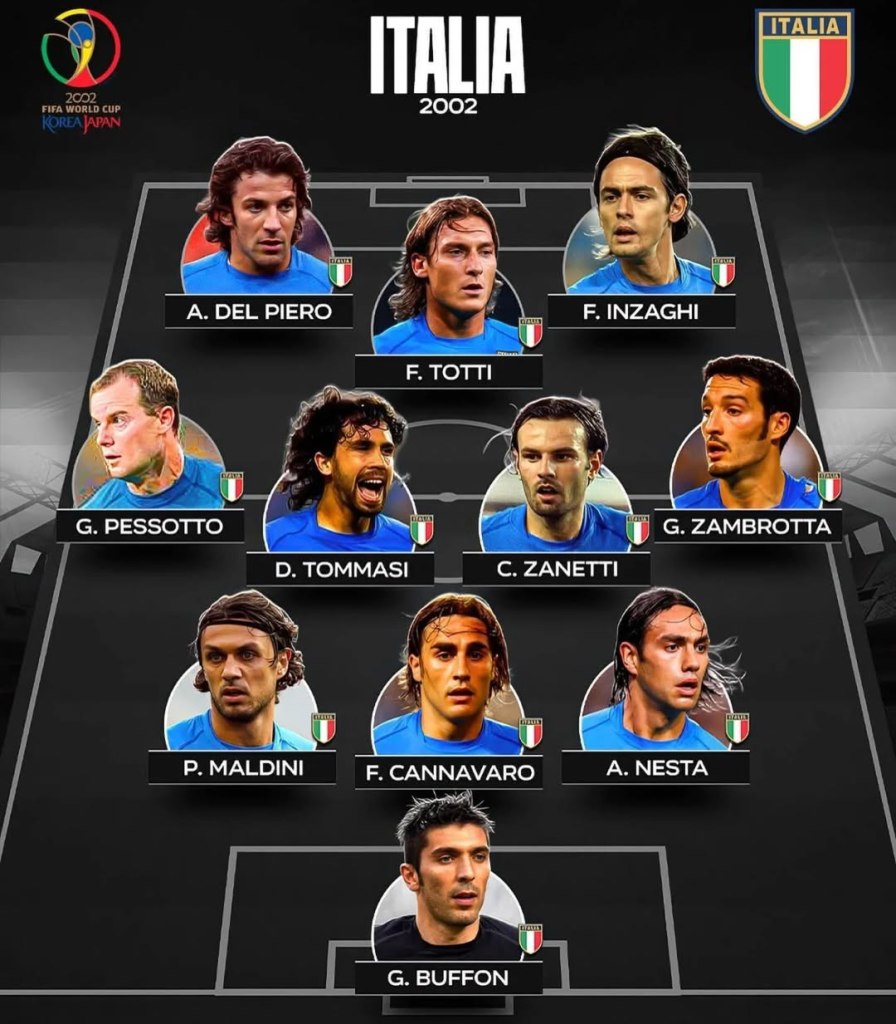
Image credit – Mundial Style
There are deeper issues in Italian football. At club level, there’s been a growing reliance on foreign players. That raises the standard in some ways, but it also means fewer opportunities for young Italian players to develop.
That’s starting to show at international level.
Other countries have moved ahead. Spain, Germany and England have all invested heavily in youth development, producing players ready for the modern game. Italy, in comparison, has been slower to adapt.
You only have to look at the players coming through elsewhere — Lamine Yamal, Florian Wirtz, Jude Bellingham — to see the difference. Italy haven’t produced that same level of emerging talent in recent years.
The impact goes beyond the pitch too.
In Scotland, where there are strong Italian communities in places like Glasgow and Edinburgh, supporting Italy has always been about more than football — it’s part of identity. But with Italy missing out again, some fans are starting to lean more towards the Scotland national football team.
Tony who’s mum is Italian and dad is Scottish said “In our house, it was always Italy. No debate. But when they aren’t there, you realise Scotland is the team you actually live with.”
Glasgow uni student and Renfrew local Daniel told me “You don’t stop being Italian. But Italy haven’t been making World Cups, so Scotland it is. Plus McTominay is killing it for Napoli and there my side.’
Not by choice, but because there’s no alternative.
Missing one World Cup can happen. Missing multiple starts to feel like a pattern. And that’s where Italy is now.
There are some signs of change. There’s more focus on youth development, and an understanding that things need to evolve. But rebuilding takes time, and there’s no quick fix.
For younger fans, this is a reminder that success doesn’t last forever. Football moves quickly, and if you don’t keep up, you get left behind.
Right now, Italy is learning that the hard way.
Categories: Uncategorized


 UWS Newsroom